Professional Boreholes
Bringing You Water
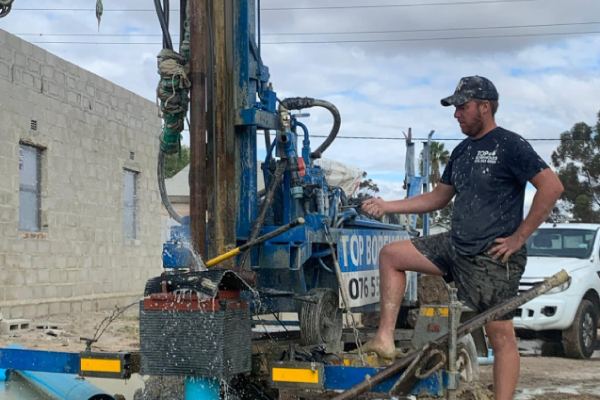
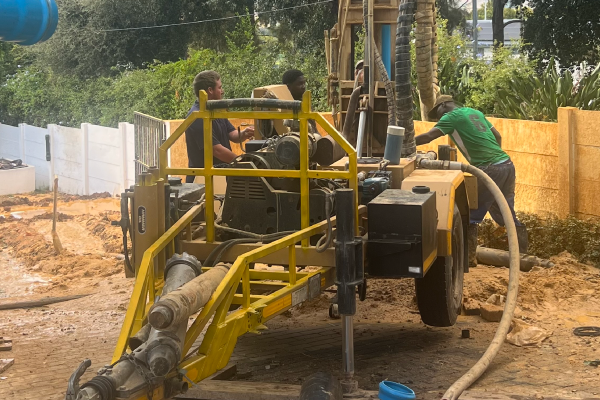
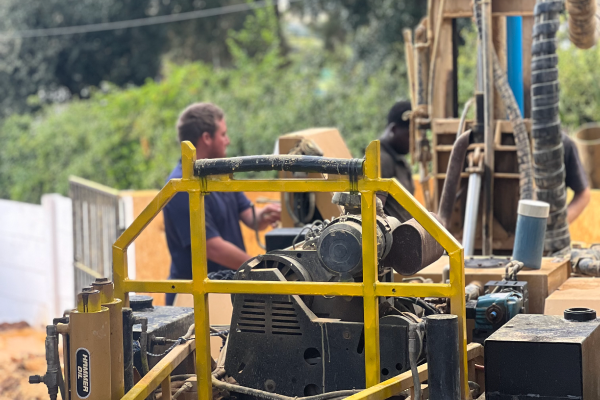
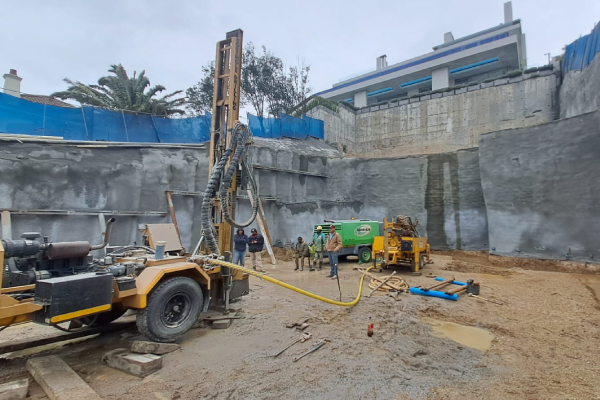
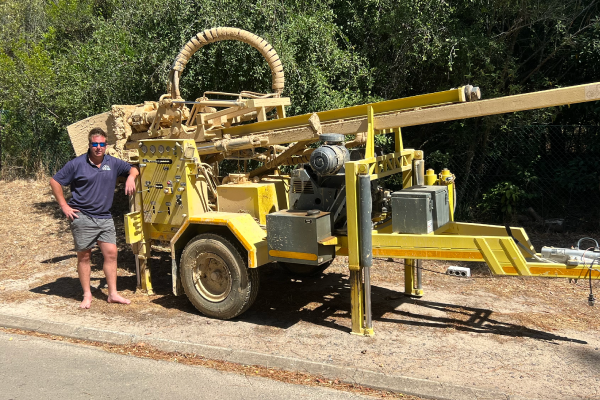
We specialise in borehole installation for homes, businesses and farms.
- Domestic
- Commercial
- Agricultural
- Industrial
What is a Borehole?
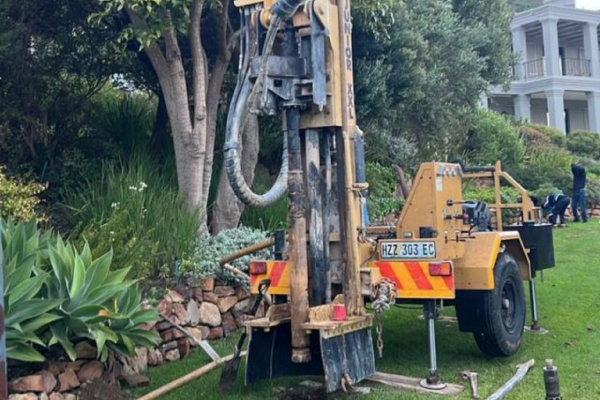
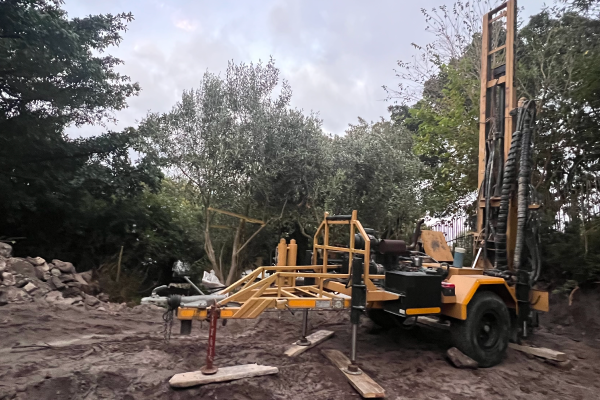
A borehole is a narrow, deep hole drilled into the ground to access and extract groundwater .
- Drills into groundwater
- Extracts water
- Various water uses
- Varying depths
What is a Well Point?
A well point is a method of accessing shallow groundwater by creating a small diameter, using a suction pump to draw water from the surrounding saturated soil.
- Shallow groundwater access
- Uses suction method
- Residential water supply
- Limited depth


Our Services
- Borehole Installation
- Borehole Repairs
- Borehole Pumps
- Borehole Cleaning
- Jojo Tanks
Benefits of a borehole
Boreholes lower carbon footprint by eliminating the need for long-distance water transportation,
which reduces associated carbon emissions.
Financial Benefits
- Reduced Water Costs
- Quick Return on Investment
- Increased Property Value
Environmental Benefits
- Water Conservation
- Reduced Strain on Municipal Systems
- Lower Carbon Footprint
Social Benefits
- Water Security
- Independence
- Community Resilience
Did You Know?
- South Africa ranks amongst the top 30 most water-stressed countries globally.
- According to a study published in the South African Journal of Geomatics, properties with boreholes can see an increase in value by up to 25%.
What Our Clients Say
Reviews
Frequently Asked Questions
Not necessarily. Borehole water is stored within rocks in an aquifer, and water levels can vary depending on the specific location.
Yes, it can be. The process involves testing the quality of the borehole or wellpoint water, installing the necessary purification systems to make it safe for use, and then connecting it to the household mains.
A wellpoint uses an above-ground pump to draw water, while a borehole has a submersible pump located underground. In a borehole, only a galvanized base plate and connected fittings are visible above ground.
Underground water is usually abundant within rock formations due to aquifers, which depend on rainwater infiltration. Accessing this water can be challenging due to varying geological conditions.
To determine the presence of underground water:
- Consult a geohydrologist or an experienced water diviner to identify potential water sources and the best drilling location.
- Seek recommendations from reputable borehole drilling experts with experience in your area.
- Look for PVC markers on neighboring properties, which indicate existing boreholes.
Keep in mind that borehole depths can vary, even between neighboring properties, as aquifer depths differ significantly.
Yes, it is possible to power a borehole pump using a home solar power system. However, conventional pumps require a high surge of current to start and can consume significant power. To ensure efficiency, the entire system—including the batteries, inverter, and pump—must be properly sized to handle the pump’s starting surge as well as any additional loads.
The cost of borehole drilling can vary depending on factors such as the depth required, the geological conditions, and the equipment used. While the initial investment may seem high, having a borehole can significantly reduce long-term water costs and provide a reliable water source, making it a worthwhile investment for many.